

Swing Trading Strategies That Work in the U.S. Market
 By Anita Singh
Swing trading is a strategy that focuses on capturing short- to medium-term price movements within a trend. Traders use this approach to profit from price fluctuations by holding positions for days or weeks rather than minutes or hours.
What is Swing Trading?
Swing trading involves identifying assets with strong potential for short-term price movements. Traders aim to enter at the beginning of a price swing and exit before the trend reverses, maximizing gains while minimizing risk.
Swing traders use technical analysis, chart patterns, and key indicators to determine entry and exit points for their trades.
Key Indicators for Swing Trading

1. Moving Averages: The 50-day and 200-day moving averages help identify trend direction and potential reversal points.
2. Relative Strength Index (RSI): Helps traders assess whether an asset is overbought or oversold, indicating possible trend reversals.
3. Bollinger Bands: Measures price volatility and provides potential entry and exit signals.
4. Fibonacci Retracement: Helps traders identify support and resistance levels to improve trade timing.

Best Practices for Swing Trading
1. Identify strong trends: Trade stocks or assets with established trends and clear price swings.
2. Set clear entry and exit points: Use technical analysis to determine precise trade levels.
3. Manage risk: Use stop-loss orders to limit downside risk and protect profits.
You might also like
1. U.S. Stock Market Outlook: What to Expect in 20252. How to Build Wealth in America: Smart Financial Strategies3. Buy Bitcoin with Ease: The Ultimate Guide to Using Prepaid Cards!4. Real Estate vs. Stocks: Which Investment is Better?4. Stay informed: Monitor market news and economic events that could impact price movements.
Conclusion
Swing trading can be an effective way to capitalize on market trends while limiting exposure to short-term volatility. By utilizing technical indicators, maintaining discipline, and managing risk effectively, traders can enhance their chances of success in the U.S. market.
About the author
By Anita SinghAnita Singh is a seasoned finance writer with over 8 years of experience helping millennials and Gen Z take control of their money. With a background in economics and a passion for demystifying complex financial concepts, Ananya shares actionable tips on budgeting, investing, and building long-term wealth. Her mission is to make financial literacy accessible, relatable, and empowering — no jargon, just smart money moves.
More like this

Stock Buybacks: How They Influence Share Prices
Stock buybacks have become a common strategy for companies looking to boost share prices and reward investors. Understanding their impact can help investors make informed decisions.

Meme Stocks: Are They Making a Comeback?
Meme stocks took the financial world by storm in recent years, driven by online communities and retail investors. As market conditions shift, many wonder if these stocks are making a comeback.

Dividend Stocks vs. Growth Stocks: Where’s the Best Opportunity?
Investors often face a crucial decision when building their portfolios: Should they invest in dividend stocks for stability or growth stocks for higher returns? Understanding the differences can help in making the right choice based on financial goals and risk tolerance.

How Geopolitical Events Affect U.S. Stock Performance
Geopolitical events have a significant impact on the U.S. stock market, influencing investor sentiment, market volatility, and sector performance. Understanding these effects can help investors navigate uncertainty and make informed decisions.
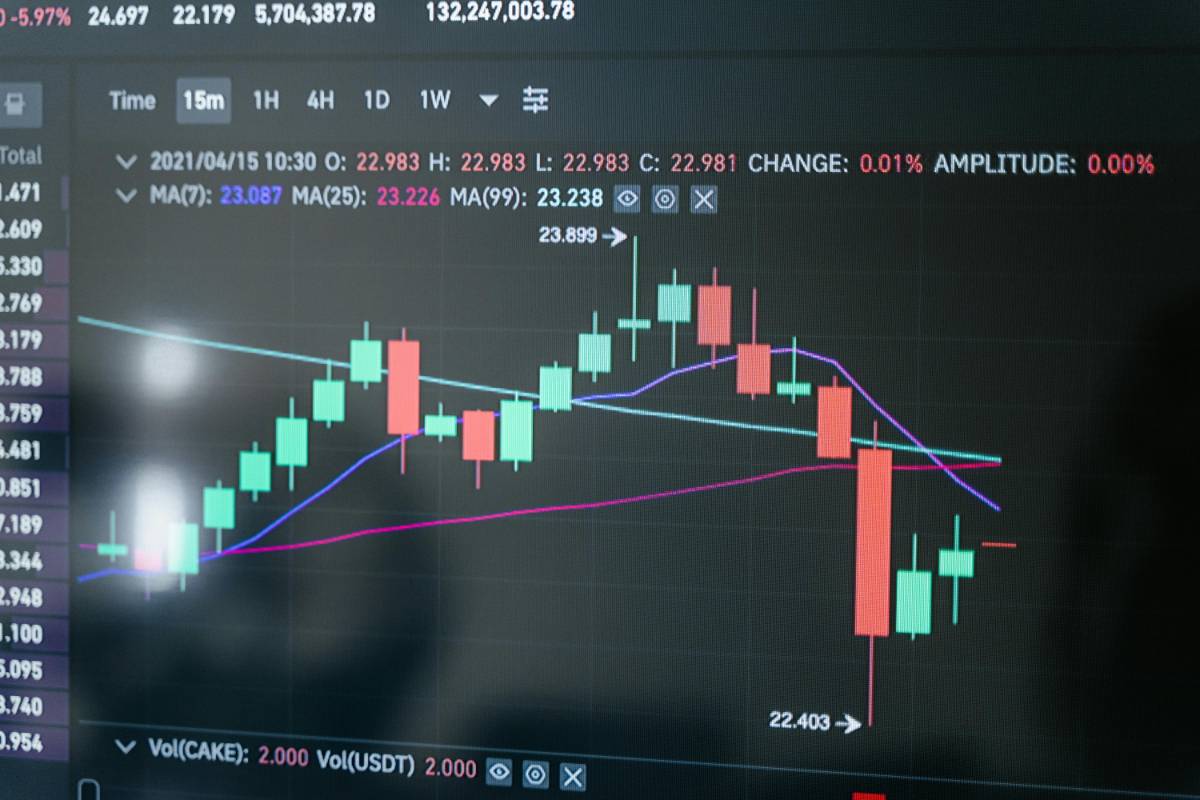
AI and Automation: The Next Big Disruptors in the Stock Market
Artificial intelligence and automation are transforming industries, and the stock market is no exception. These technologies are reshaping investment strategies, trading mechanisms, and market dynamics at an unprecedented pace.
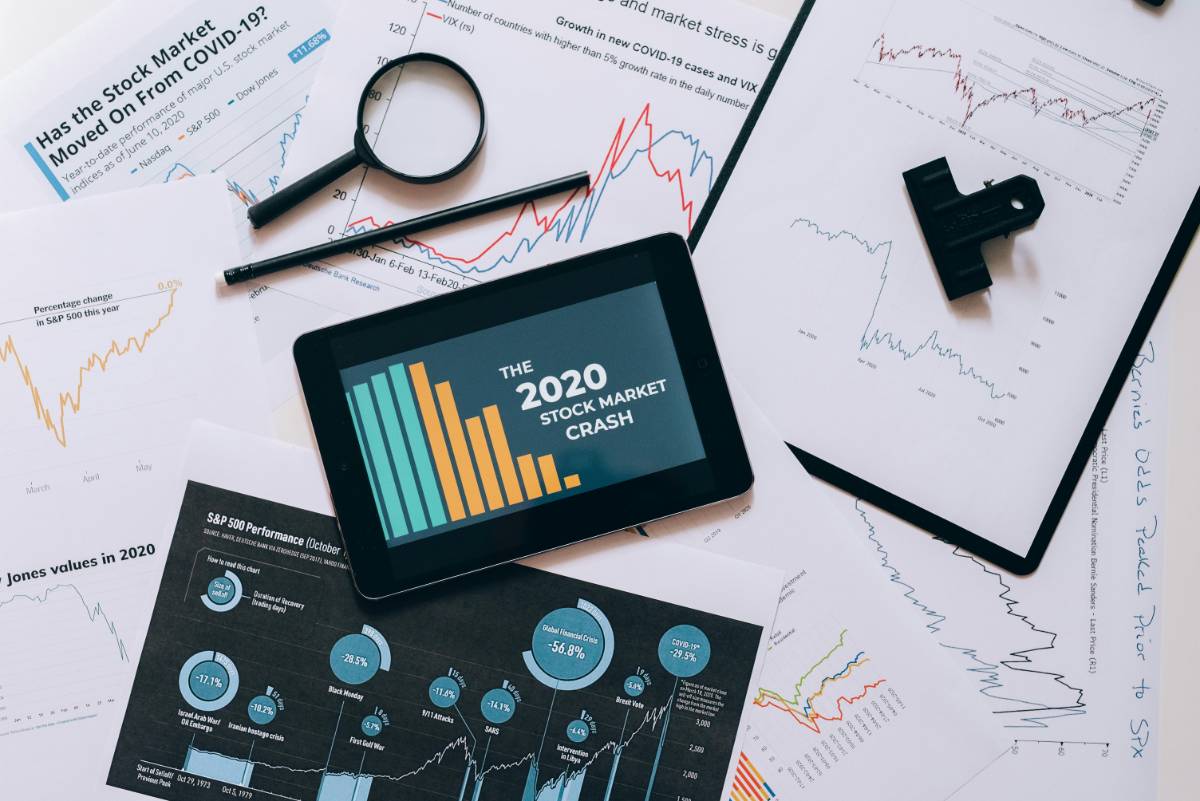
S&P 500 vs. Nasdaq: Where Should You Invest?
Investors often compare the S&P 500 and the Nasdaq when deciding where to allocate their funds. Understanding the differences between these indices can help you make a strategic investment choice based on your risk tolerance and financial goals.

Why Tech Stocks Are Leading the Market Again
Tech stocks are once again at the forefront of the market, driven by innovation, strong earnings, and investor optimism. As companies in the sector continue to expand their influence, understanding the reasons behind this surge can help investors make informed decisions.

The Impact of Federal Reserve Policies on the Stock Market
Federal Reserve policies play a crucial role in shaping the stock market. Interest rate decisions, quantitative easing, and regulatory measures directly impact investor sentiment and market performance. Understanding these effects can help traders and long-term investors navigate the evolving financial landscape.

Top Performing Stocks on Wall Street This Quarter
The latest quarter on Wall Street has seen significant movements, with some stocks outperforming expectations while others struggled to keep up. Understanding these trends can help investors make informed decisions moving forward.

U.S. Stock Market Outlook: What to Expect in 2025
As we move into 2025, investors are looking for insights into the U.S. stock market's potential trajectory. Market trends, economic policies, and global events will all play crucial roles in shaping investment opportunities.

Market Volatility: Should Investors Be Concerned?
Market volatility is a common concern for investors, especially in uncertain economic conditions. While fluctuations in stock prices can be unsettling, understanding the factors behind market swings can help investors navigate uncertain times with confidence.

Tech Stocks to Watch: Are We in Another Boom?
The technology sector has been a driving force in the stock market, and recent trends suggest another potential boom. With advancements in artificial intelligence, cloud computing, and semiconductor innovation, investors are eyeing key tech stocks for future growth.

How Federal Reserve Decisions Are Impacting U.S. Stocks
The Federal Reserve plays a crucial role in shaping the U.S. stock market. Interest rate adjustments, monetary policy shifts, and economic outlooks set by the Fed significantly influence market trends and investor sentiment.

Top Gainers and Losers on Wall Street This Month
The stock market is constantly shifting, with certain stocks outperforming while others struggle. This month, Wall Street has seen significant movements in both directions. Here’s a look at the top gainers and losers.

Latest Trends Shaping the U.S. Stock Market in 2025
The U.S. stock market is evolving rapidly, with new trends shaping investor strategies and market movements. Understanding these trends can help investors make informed decisions in 2025.

Emergency Funds: Why They’re Essential and How to Build One
An emergency fund is a crucial aspect of financial planning, providing a safety net for unexpected situations such as medical emergencies, car repairs, or sudden job loss. Having a well-established emergency fund can reduce stress and prevent you from going into debt when life’s unexpected events occur. In this article, we’ll explore why emergency funds are essential and how you can start building one today.

The Rise of Fintech: How Technology is Changing Finance
The financial industry is undergoing a major transformation due to technological advancements. The rise of fintech (financial technology) has reshaped how individuals and businesses manage money, invest, and make payments. From mobile banking apps to blockchain technology, fintech has made financial services more accessible, efficient, and secure. In this article, we’ll explore how fintech is changing the finance landscape and what it means for the future of personal and business finance.

How to Save Money on Taxes: Tips for Individuals and Businesses
Saving money on taxes is a priority for many individuals and businesses. Whether you're a small business owner, a freelancer, or someone simply looking to reduce your tax liability, there are various strategies you can implement to keep more of your hard-earned money. In this article, we’ll explore several tips for both individuals and businesses to help minimize tax payments.

Real Estate vs. Stocks: Which Investment is Better?
When it comes to building wealth, two of the most popular investment options are real estate and stocks. Both offer distinct advantages, but choosing between them depends on your financial goals, risk tolerance, and investment timeline. In this article, we'll compare the benefits and drawbacks of each to help you decide which investment is better suited for your needs.

Understanding the Stock Market: A Guide for New Investors
The stock market can be a complex and intimidating place, especially for new investors. However, understanding the basics of how the market works can help you make informed decisions and start building wealth. In this guide, we’ll explore key concepts and strategies to help you navigate the stock market with confidence.